Loose-leaf tea is a dry, delicate thing, and the way you store it affects how it tastes. Light, air, moisture and strong smells are the usual enemies. A closed tin with a tight lid deals with most of them at once, which is why tea has been kept this way for so long.
Tea is made from leaves that have been dried so they keep. That dryness is what holds the flavor steady, and it is also what makes the leaf so willing to take on whatever is around it. Think of a tea leaf as a small, thirsty sponge for moisture and aroma, and most storage advice starts to make sense.
Light and Air
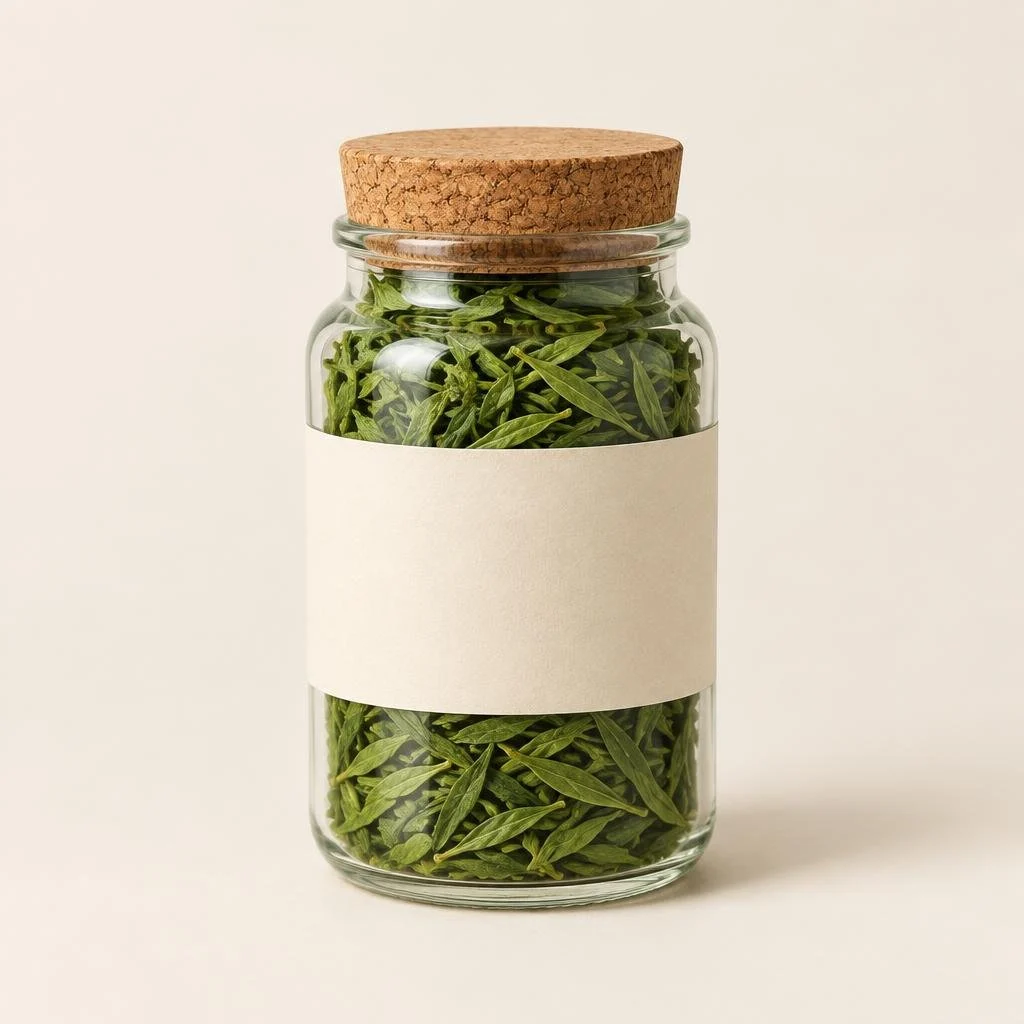
Light can dull the flavor of tea over time, so an opaque container is better than a clear one. A matte metal tin blocks light entirely. If you keep tea in a glass jar, put the jar in a cupboard rather than on an open shelf in the sun.
It is easy to think of light as harmless because tea does not look any different from one week to the next. But the change shows up in the cup, usually as a flatter, duller taste, where the bright notes you enjoyed at first have faded into something plain and papery.
Air is the second concern. Every time the lid is open, fresh air gets in. Try to keep the lid closed except when you scoop, and avoid leaving the tin open while the kettle boils. A tight lid is worth checking for when you choose a tin.
A simple test helps when you are choosing. Press the lid on and see whether it seats firmly with a little resistance. A lid that rattles or rocks will let air move in and out each time the temperature changes. Tins with a snug fit, or an inner lid, tend to keep tea fresher for longer.
There is a trade-off with size, too. A tin that is far too large for the tea inside leaves a lot of air sitting over the leaf. A tin that is close to the right size holds less air, so the tea has less to react with. Matching the tin to the amount is a small habit that pays off.
Keeping Moisture Away
Moisture is the quickest way to spoil tea. Always use a dry scoop, and never tip leaf back in from a damp cup or infuser. Keep tins away from the steam of the kettle and the stove. A cool cupboard is a better place than the shelf above the cooker.
Even a tiny amount of damp can cause trouble, because it spreads through the tin and affects every leaf, not just the ones it touched. Damp tea loses its crisp, clean character and can turn musty. Once that has happened, there is no bringing the flavor back, so prevention is the only real cure.
Heat matters alongside moisture. A cupboard beside the oven may feel dry, but warmth speeds up the slow changes that wear flavor down. Steady, cool and dark is the pattern to aim for. You do not need a special room, only a spot that stays calm through the day and does not swing between hot and cold.
Smells and Separate Tins
Tea also picks up smells easily. Do not store it next to spices, coffee or anything strongly scented. Green tea and delicate herbals are especially quick to take on other aromas. Give each tea its own tin so flavors stay separate.
This is also why mixing leftovers into one tin is rarely a good idea. A little black tea tipped into a tin of green will leave a trace behind, and the tin itself keeps a faint memory of what it held before. If you reuse a tin, wash it well, dry it completely and let it air out first.
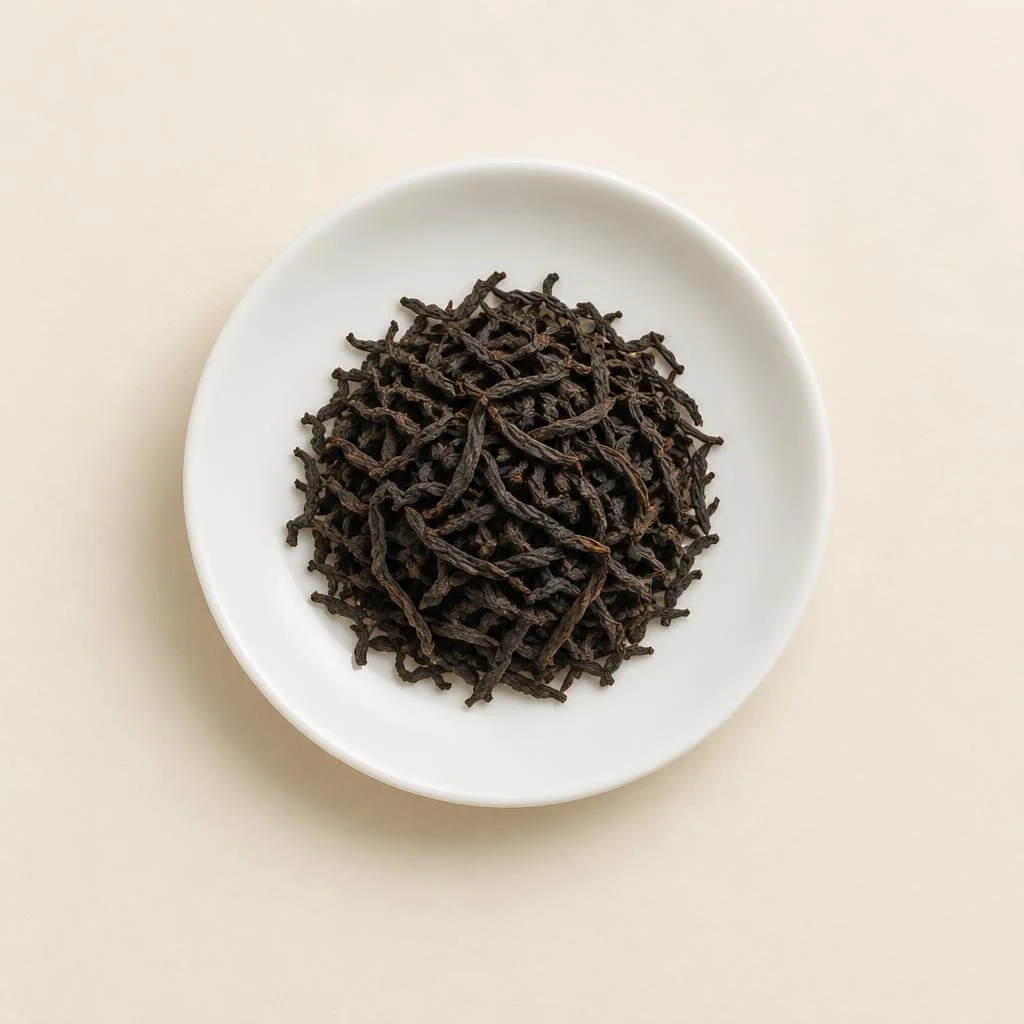
Strongly flavored teas can be the culprits too. A smoky black tea or a blend with a lot of spice has a big aroma that can drift into its neighbors if lids are loose. Keeping bolder teas in their own tins, and not crowded against gentler ones, protects the quieter flavors in your collection.
Labels and Buying Sensibly
Labeling helps more than you might think. Once tea is out of its original packaging, many blends look alike. A small label with the name of the tea keeps your cupboard organized and stops you brewing the wrong pot on a tired morning.
A label can hold more than a name. Many people find it handy to note when they filled the tin, so they can use the oldest tea first. Even a rough note is enough to keep a rotation going and to remind you which tins have been sitting longest at the back of the cupboard.
Finally, drink your tea while it is still lively. Buy an amount you will use in a reasonable time rather than a huge stock. A tidy tin on the counter is also a reminder to make a cup.
A good tin, a dry scoop and a cool, dark spot are really all it takes. None of it is complicated, and once the habits are in place you stop noticing them. The reward is simple: a cup that tastes the way the tea was meant to taste.