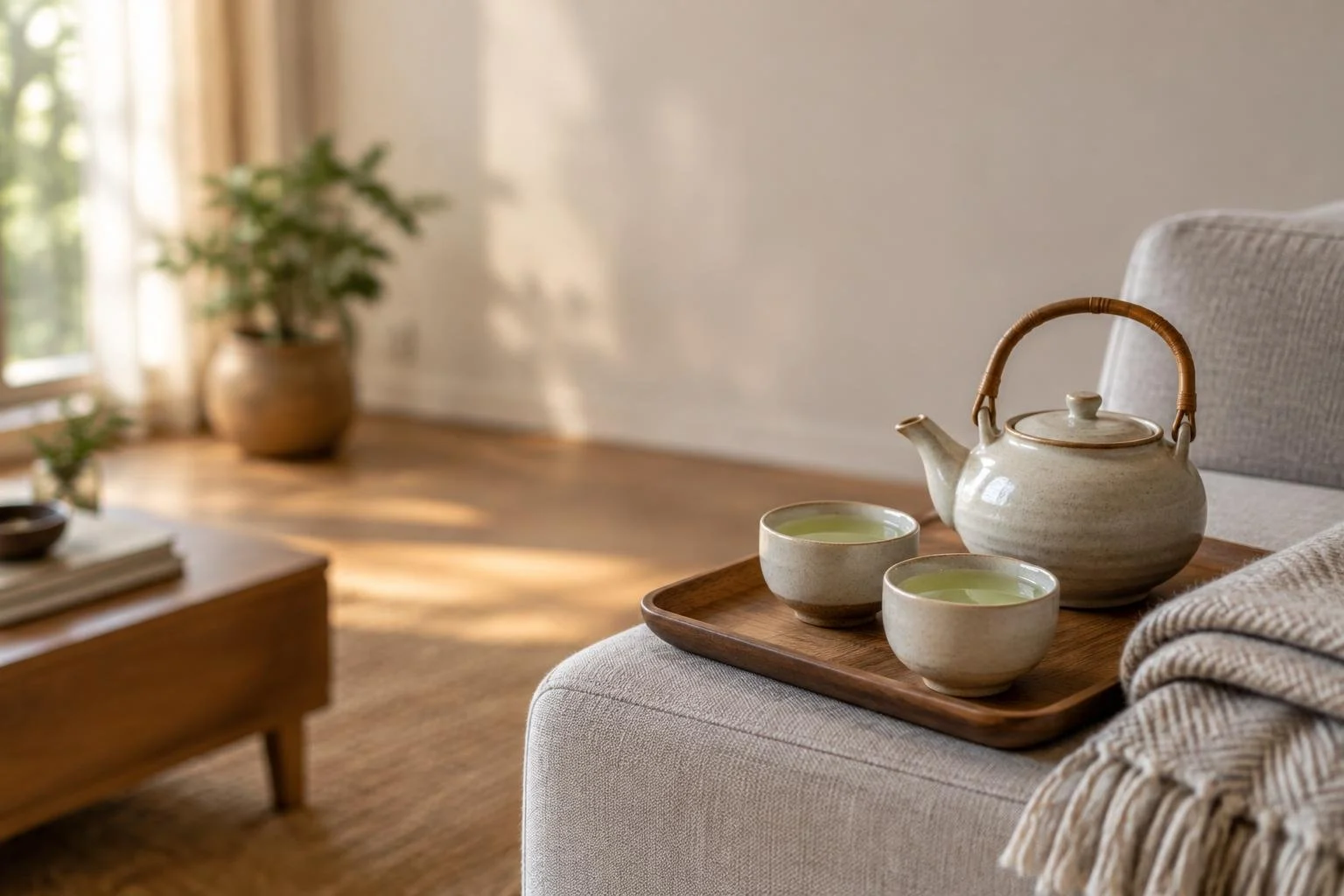
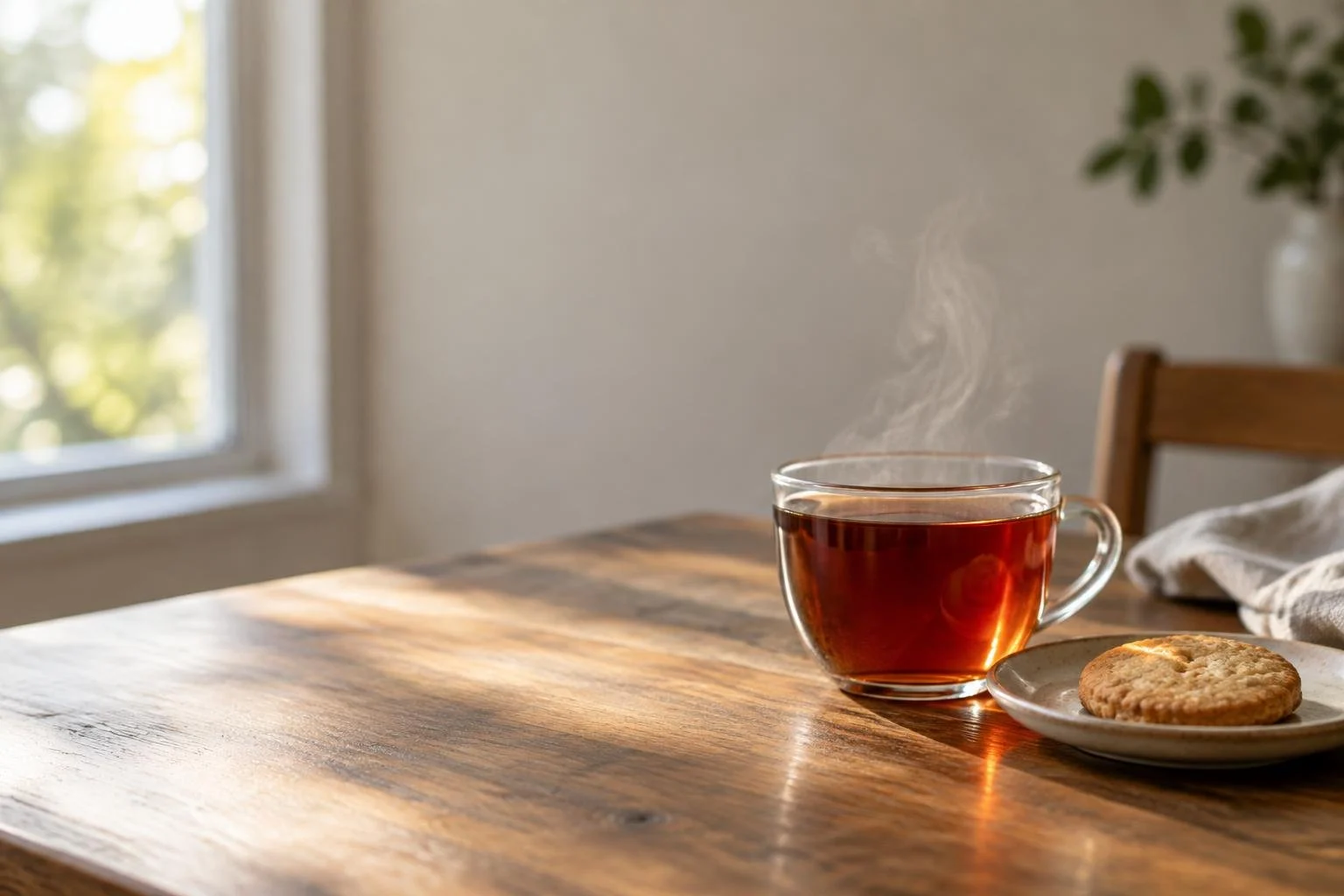
Green and black tea come from the same plant, but they taste quite different because of how the leaf is handled after picking. Green tea is kept fresh and green, which gives a lighter, grassier cup. Black tea is allowed to darken, which gives a deeper, maltier flavor that many people reach for in the morning.
The difference comes down to oxidation, which is the leaf reacting with air once it has been picked and bruised. Green tea makers stop that reaction early with heat. Black tea makers let it run on, and the leaf turns from green to brown and finally nearly black. That one choice shapes the color, the aroma and the whole character of the cup.
Because of this, the two teas ask for slightly different things from you. Neither is harder to make than the other. They simply respond to water and time in their own ways, and once you know a few habits, either one becomes easy. Think of the leaf as telling you what it needs through the taste in the cup.
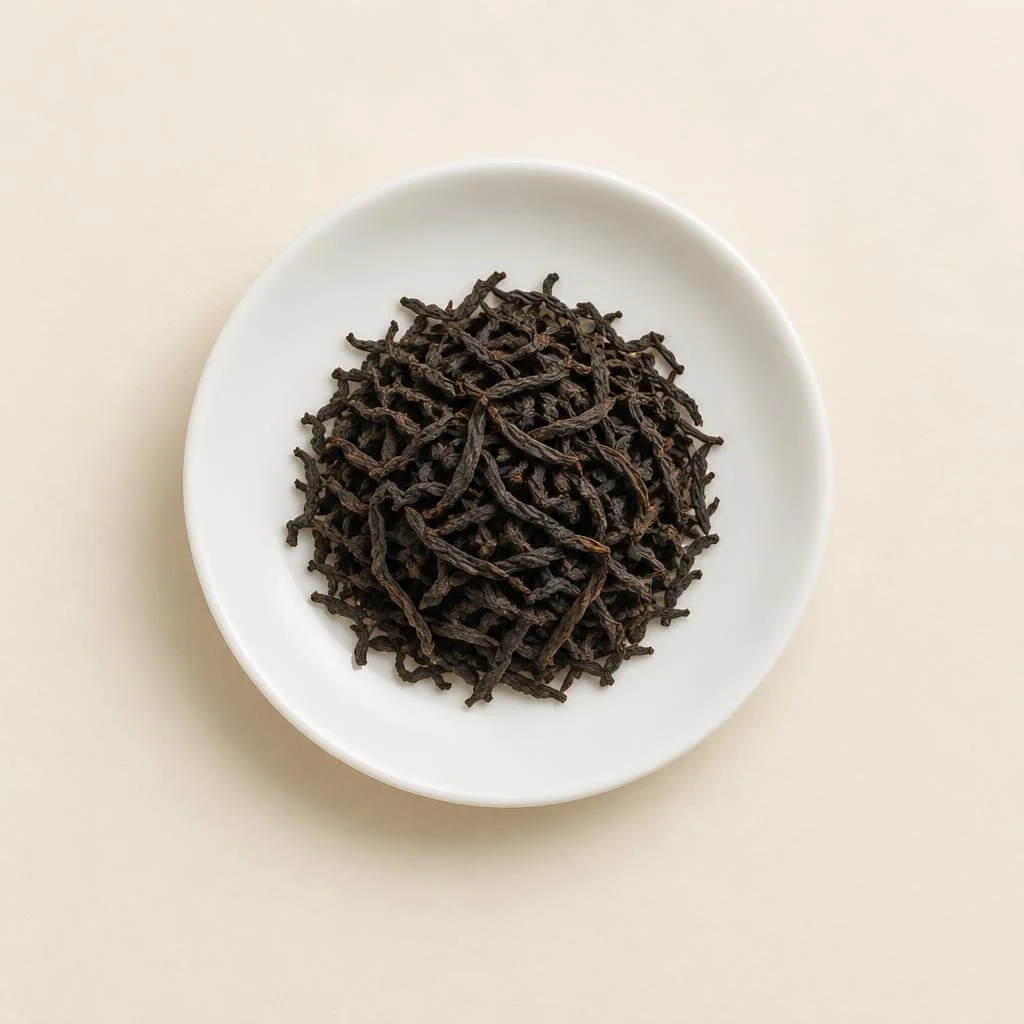
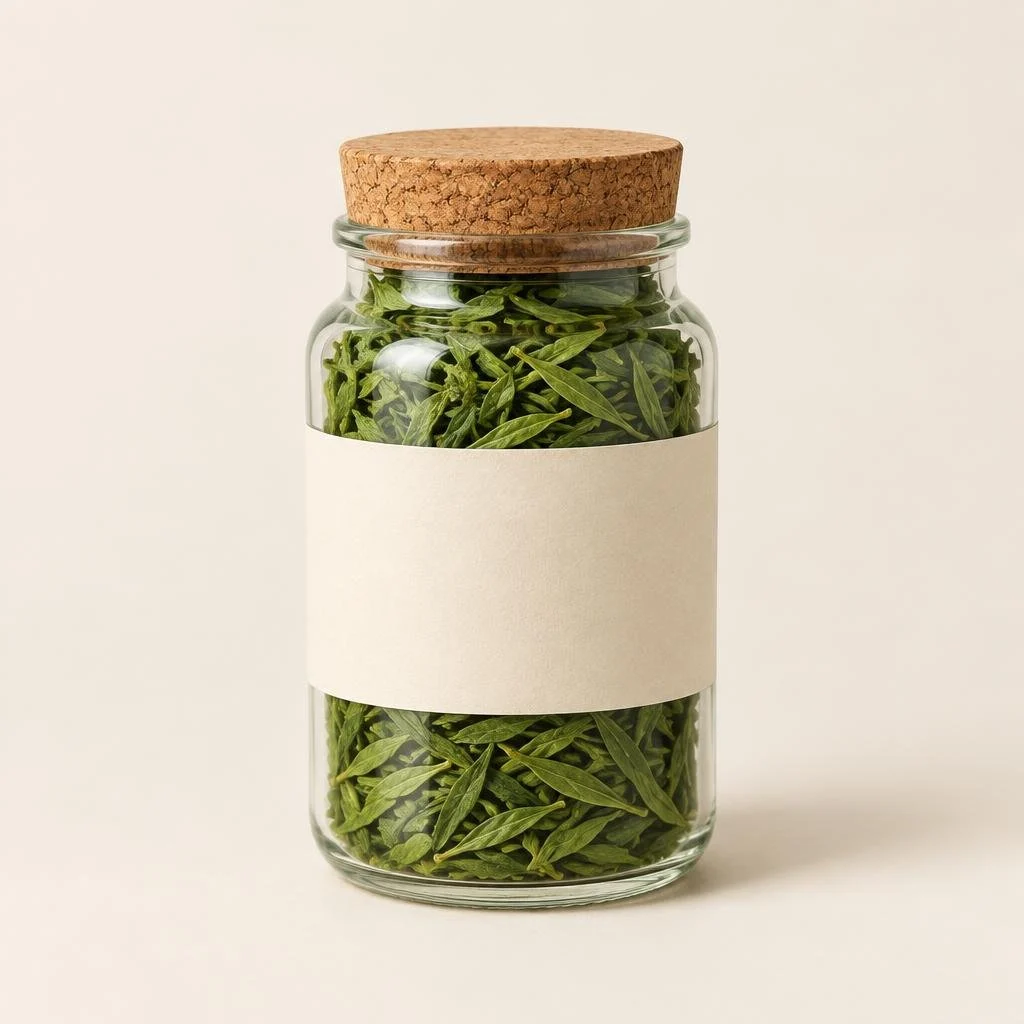
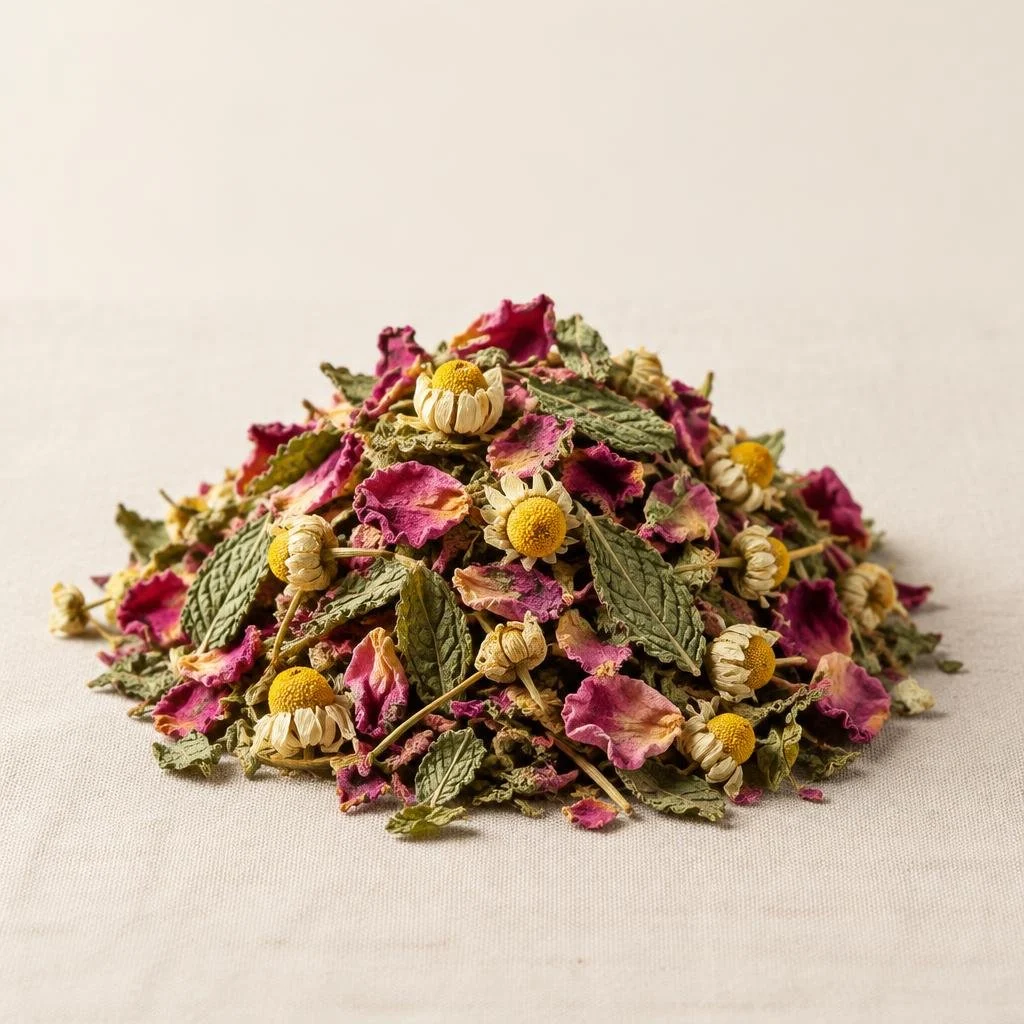
It also helps to look at the dry leaf before you brew. Green leaves are often twisted, rolled or flat, and keep a muted green shade. Black leaves tend to be darker, sometimes curled tightly, and smell richer and sweeter. Spending a moment with the dry leaf teaches you what to expect and makes each cup feel more deliberate.
Blends add another layer to the choice. A tea might pair a base leaf with herbs or other ingredients, and the base still sets the tone. A green base keeps things light and bright, while a black base can carry stronger partners. When you pick a blend, ask which leaf is underneath, then brew with that leaf in mind.
Water and Timing
The first difference you notice when brewing is water temperature. Green tea generally prefers water that has cooled a little from the boil, because very hot water can pull out bitterness. Black tea is more forgiving and does well with water just off the boil. If a green tea tastes harsh, a cooler kettle is the first thing to change.
A simple way to cool water without a thermometer is to let the kettle sit for a minute or two after it boils. You can also pour the water into a pitcher first, which takes some heat out of it. These small pauses cost almost nothing and often turn a sharp green cup into a soft, sweet one.
Steeping time matters just as much. Green tea usually needs a shorter steep, often a couple of minutes, while black tea can go a little longer. Set a timer the first few times until you learn how you like each one. Tasting at different points is the quickest way to find your own preference.
The most common mistake is leaving the leaf in the water long after the timer has gone. The tea keeps extracting, and the cup turns bitter and dry, especially with green. If you want to walk away, pour the finished tea into another pot or cup so the leaf stays behind and the flavor stays where you left it.
Strength also depends on how much leaf you use. Loose leaf is bulky, so a level scoop looks small but goes a long way. Start with a modest amount and add more next time if the cup is thin. It is easier to make a stronger pot than to rescue one that is too strong.
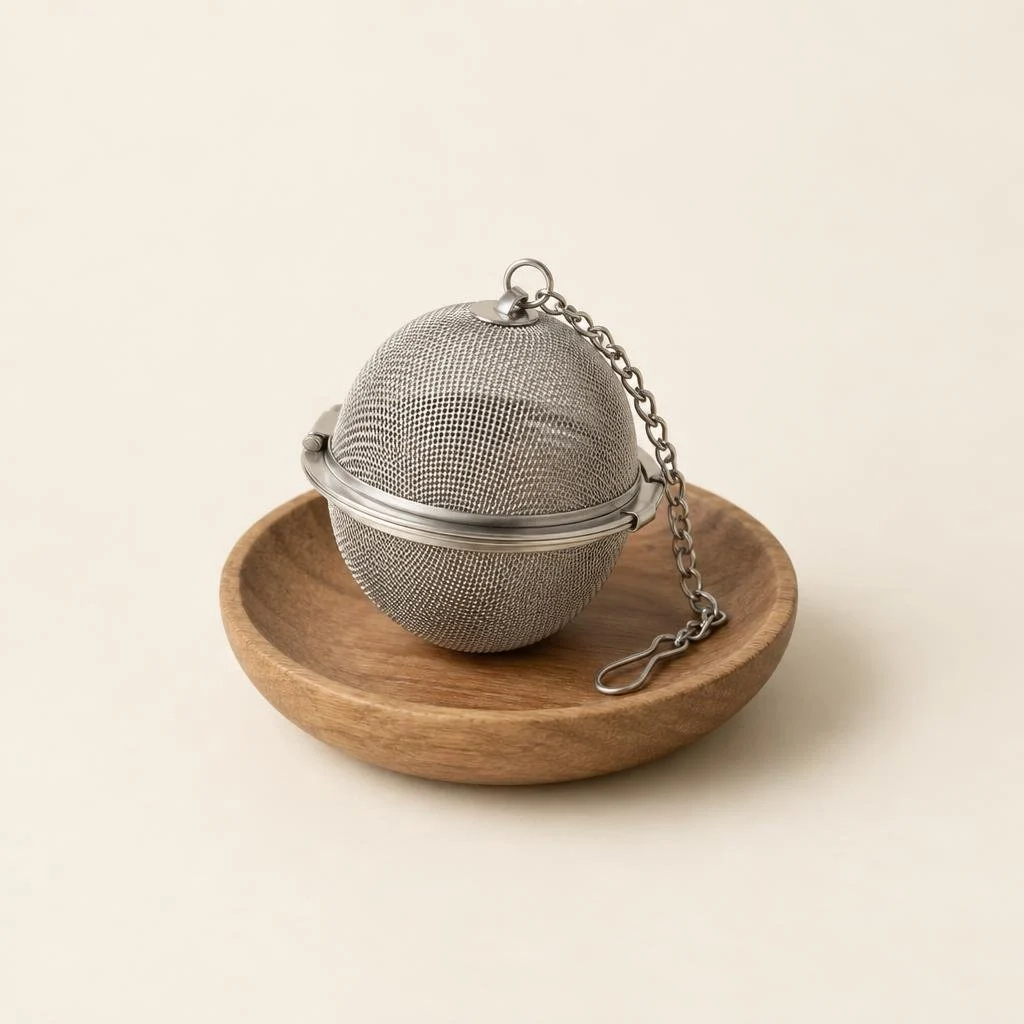
Give the leaf room, too. Loose leaf swells as it soaks, and some leaves open up to several times their dry size. A cramped strainer holds them tight, and the water cannot reach everything evenly. A roomy basket or a pot with space to move gives a fuller, more even flavor from the same amount of tea.
Milk, Honey and Second Cups
Milk and sweetener suit black tea better than green. A splash of milk softens the tannins in a strong black cup, and a little honey rounds it off. Green tea is usually best on its own so you can taste the leaf. That said, there are no rules, and what you enjoy is the right answer.
If you do add milk, add it to the cup and pour the tea over it, or add it after, whichever you prefer. A stronger brew stands up to milk better than a weak one, so you may want a slightly longer steep or a bit more leaf. Taste the tea plain first, then decide what it needs.
Many green and black leaves can be steeped a second time. The second cup is often gentler and shows different flavors from the first. Use the same leaf again with fresh water and a slightly longer steep. It is a nice way to get more from the tea you bought.
Do not expect the second pot to match the first. Think of it as a quieter companion rather than a copy. Some leaves give up their sweetness later, and some fade fast. Trying a second steep now and then shows you how a particular tea behaves, which helps you choose how much to use next time.
If you cannot decide, try one of each and drink them side by side. Notice the color in the cup, the smell and how the flavor finishes. After a few pots you will know which suits your mornings and which suits your afternoons.