Loose-leaf tea is easier than it looks. You need leaf, hot water, a way to hold the leaf and a little patience. Nothing else is essential. Many people worry that loose tea demands special skill, but it mostly asks you to pay attention for a few minutes. Once the habits are in place, a good cup becomes routine rather than a project.
An infuser ball and a teapot are the two most common tools, and each suits a different kind of tea drinker. The ball is quick and tidy for one person. The pot is slower and more social. Neither is better in every case, so it helps to think about how you usually drink tea before you buy anything.
Start with what loose leaf actually is. Unlike the fine dust in many tea bags, whole or broken leaves need space and time to unfurl, releasing flavor gradually as water moves around them. That is why a cramped container makes a flat, thin cup. Whatever tool you choose, the goal is the same: let water reach every leaf and let the leaf move freely.
It also helps to know that the amount of leaf matters as much as the tool. Too little gives a weak, watery cup, and too much can taste harsh or crowd the space you worked to provide. Begin with the amount suggested for your blend, taste the result, and then adjust a little at a time. Keep that habit in mind as you read on.
Picking the Right Vessel
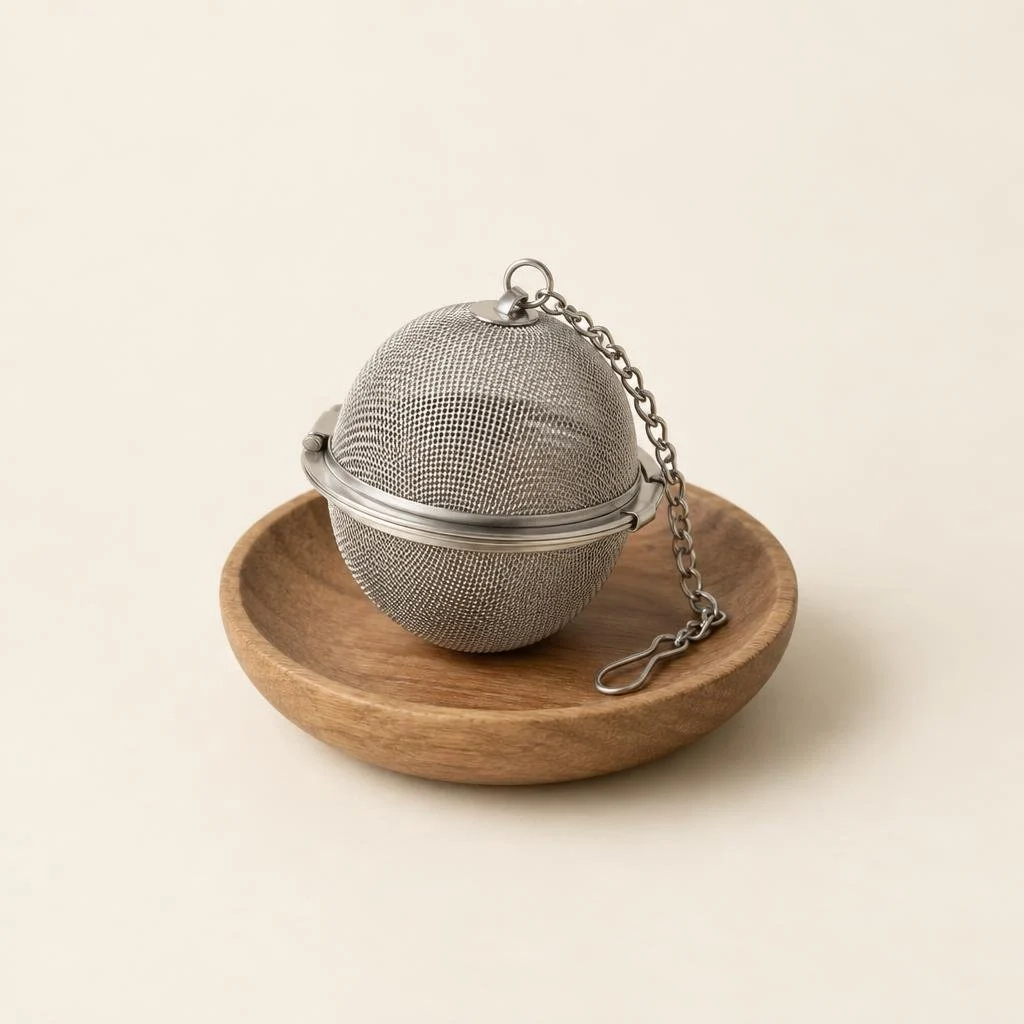
An infuser ball is the simplest option for a single cup. You fill it, drop it into the mug and lift it out when the tea is ready. The main thing is not to overfill it. Leaves swell as they steep, and they need room to open up in the water.
Look closely at the holes too. Fine mesh keeps small pieces from slipping into your cup, which matters for blends with finely cut herbs. Larger holes let water flow quickly but may let fragments escape. A ball that closes securely and has a chain or handle also makes lifting it out much easier at the end of steeping.
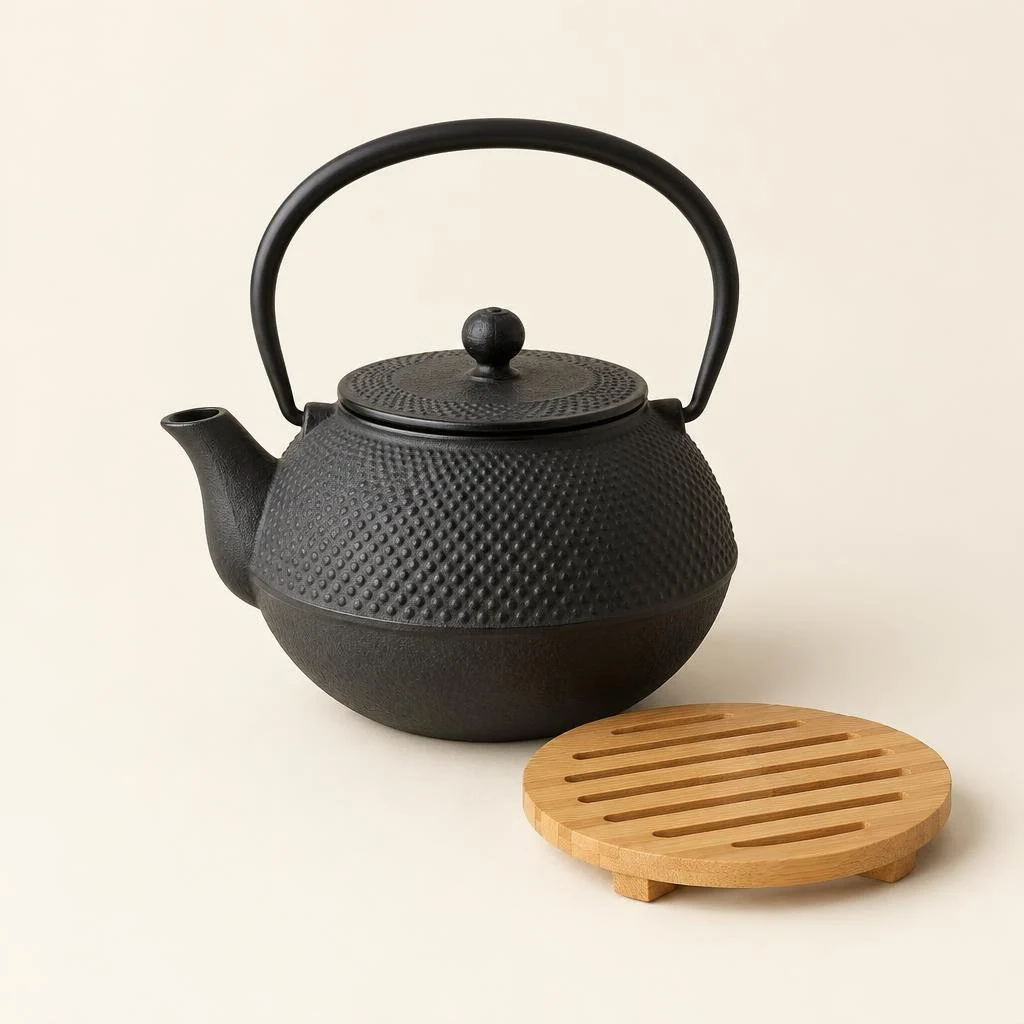
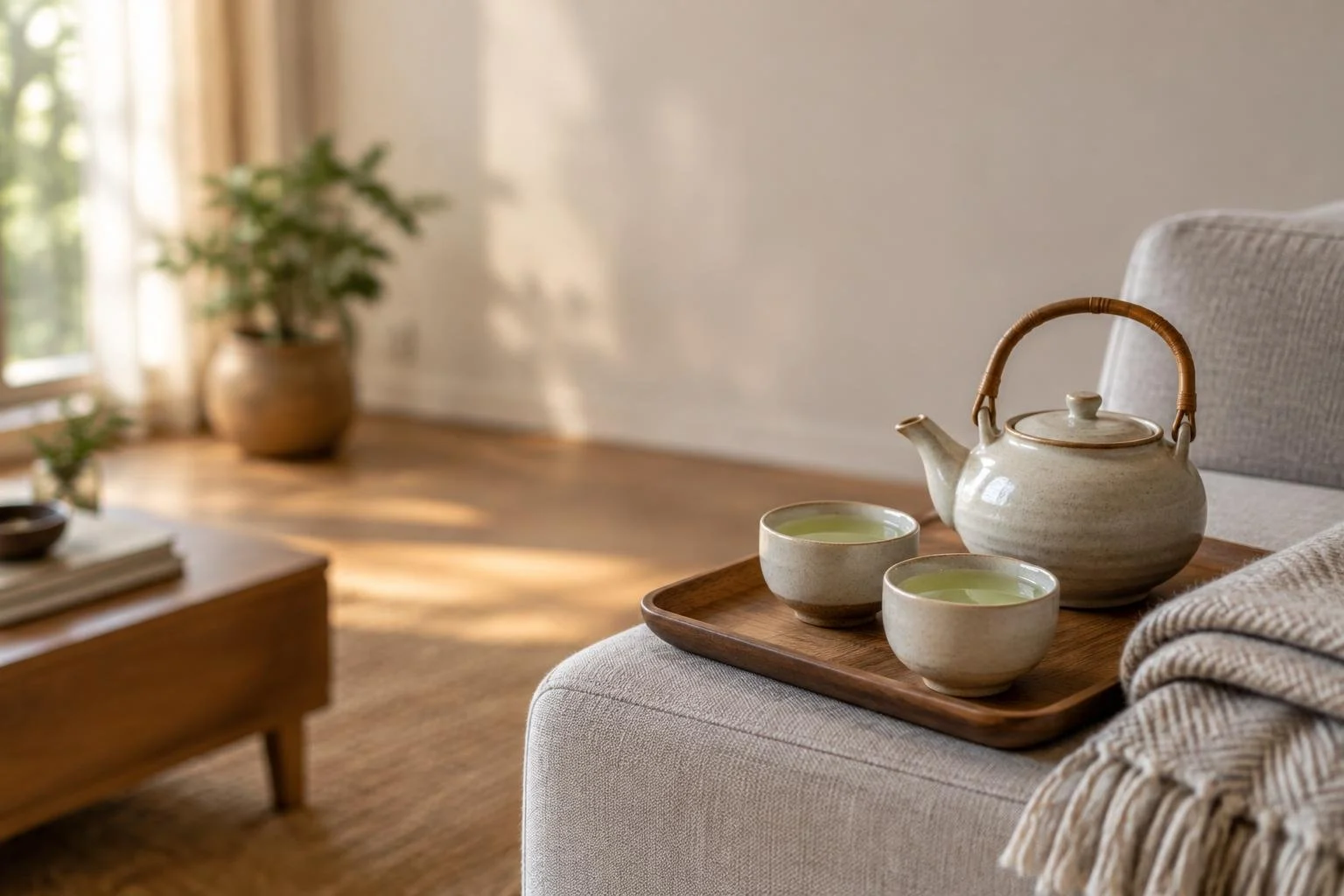
A teapot is better for sharing or for long afternoons. Cast iron holds heat well, so the tea stays warm at the table. Because the pot is hot, it is wise to rest it on a trivet to protect your surface. Wood or bamboo trivets are a common choice.
Other pots have their own trade-offs. Glass lets you watch the leaf open, which is pleasant with green tea, but it loses heat faster. Ceramic sits somewhere in between and is easy to clean. Whatever material you pick, a pot with a built-in basket or a roomy interior gives the leaf space, and that matters more than appearance.
Water, Heat and Timing
Warm the pot first by swirling a little hot water in it and pouring that away. This stops the cold pot from dropping the temperature of your brew. It is a small step that makes a noticeable difference, especially for delicate teas that depend on steady heat. The same trick works well for a mug.
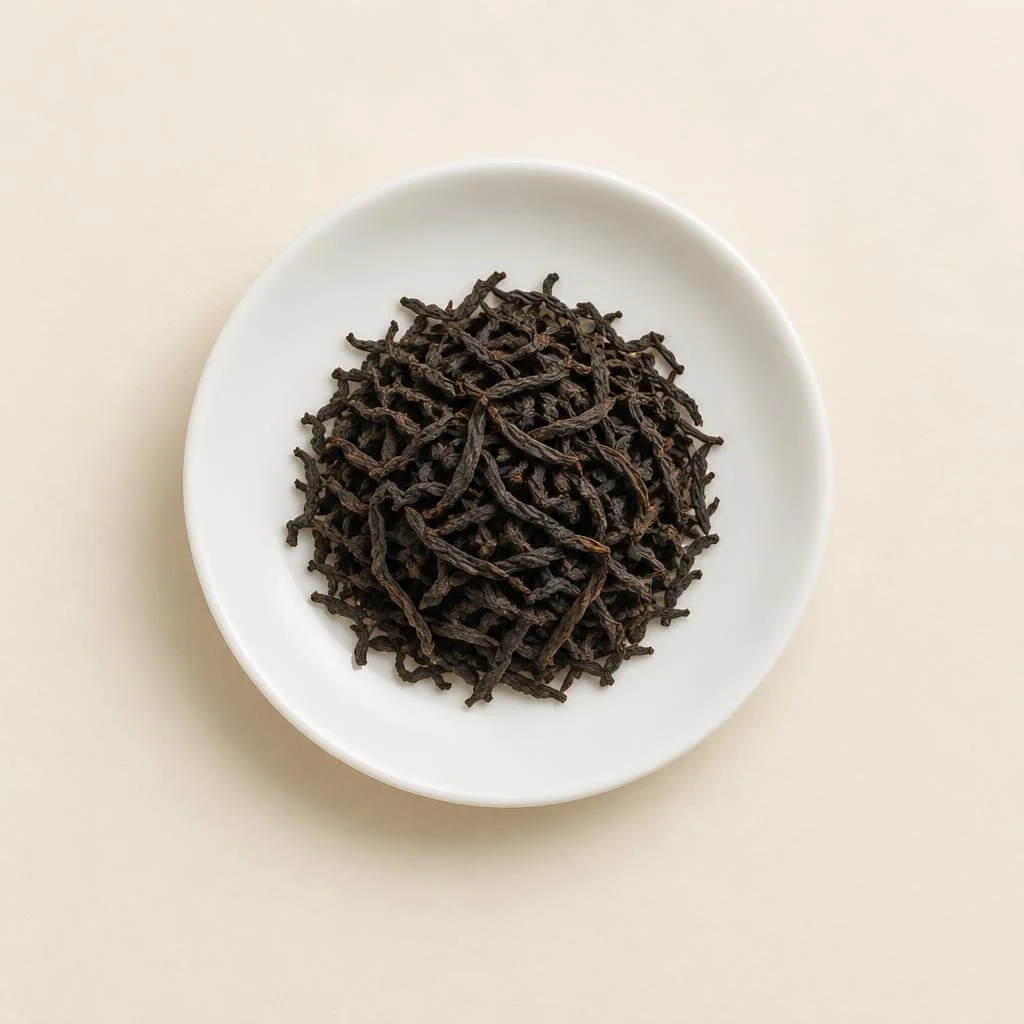
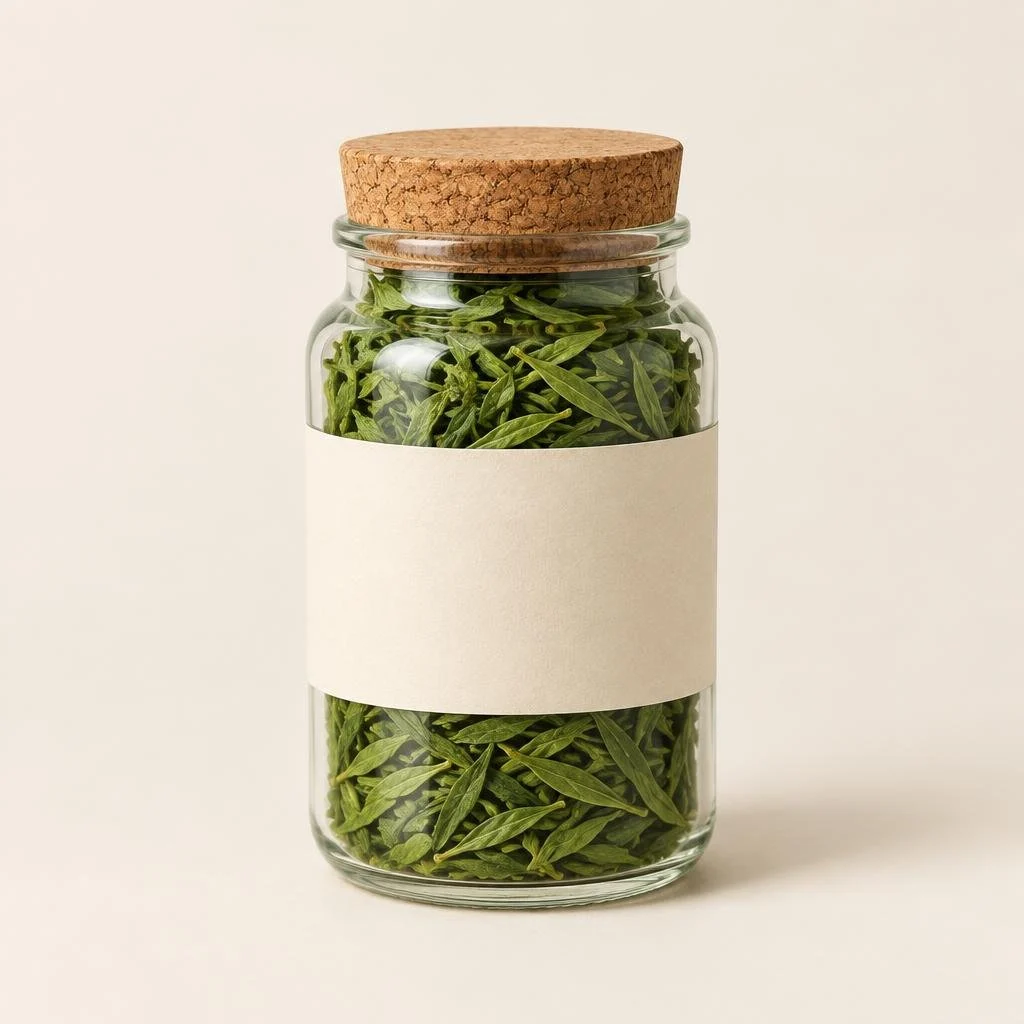
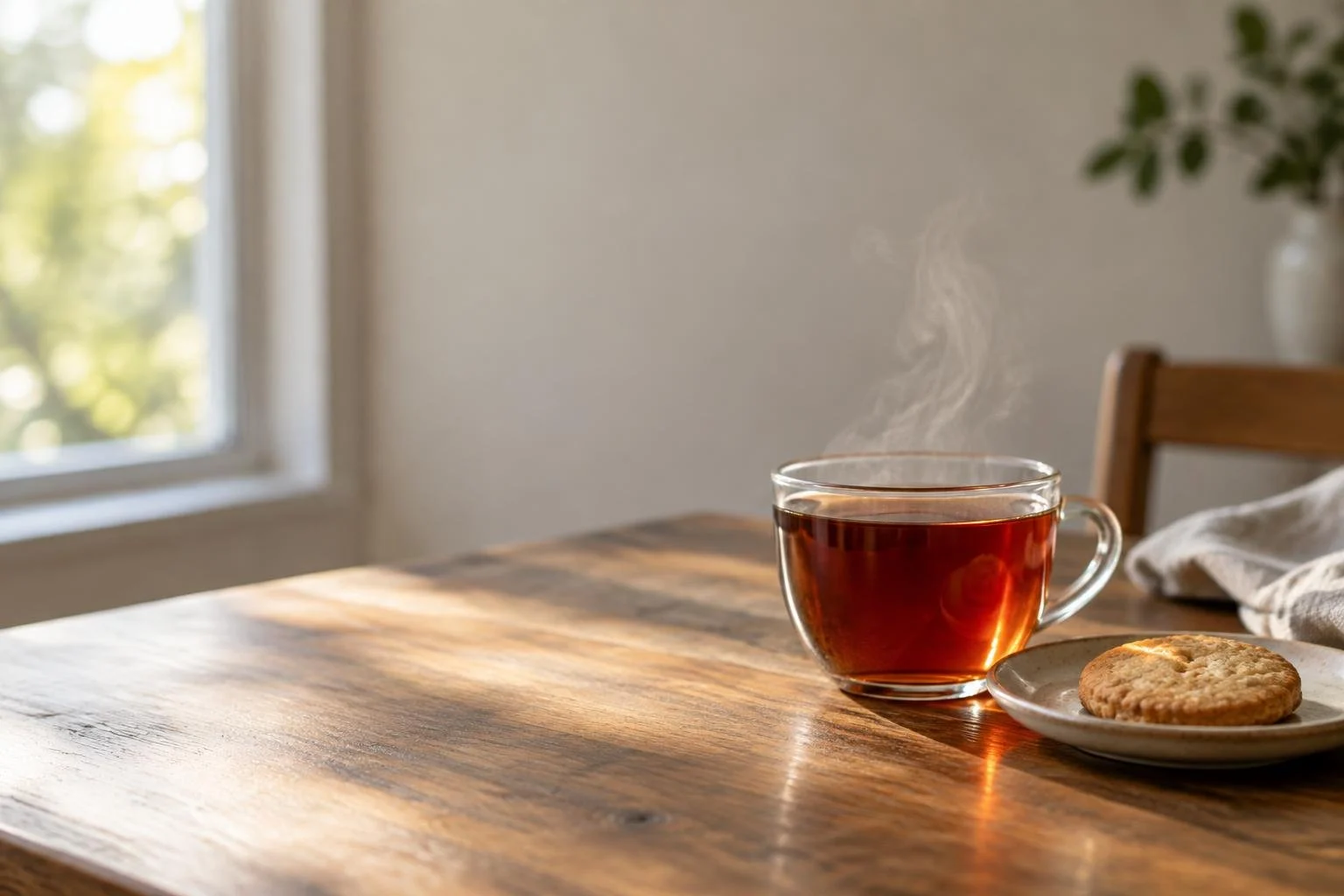
Water temperature deserves a thought as well. Black teas and many herbal blends cope well with water straight off the boil. Green tea is more delicate, and very hot water can make it bitter and grassy. Letting the kettle rest for a short while before pouring is an easy way to be gentler with green leaf.
Timing is the habit that improves tea most. Choose a steeping time, set a timer and take the leaf out when it rings. Leaving leaf in the pot keeps extracting, and the tea turns bitter. If you want to keep leaf in, pour the finished tea into another vessel.
A timer also teaches you something. Make a note of what you used, how long you steeped and how the cup tasted. Over a few brews you will find your own preference, whether you like tea light and bright or deep and strong. Small changes in time are easier to judge than changes in leaf, so adjust the clock first.
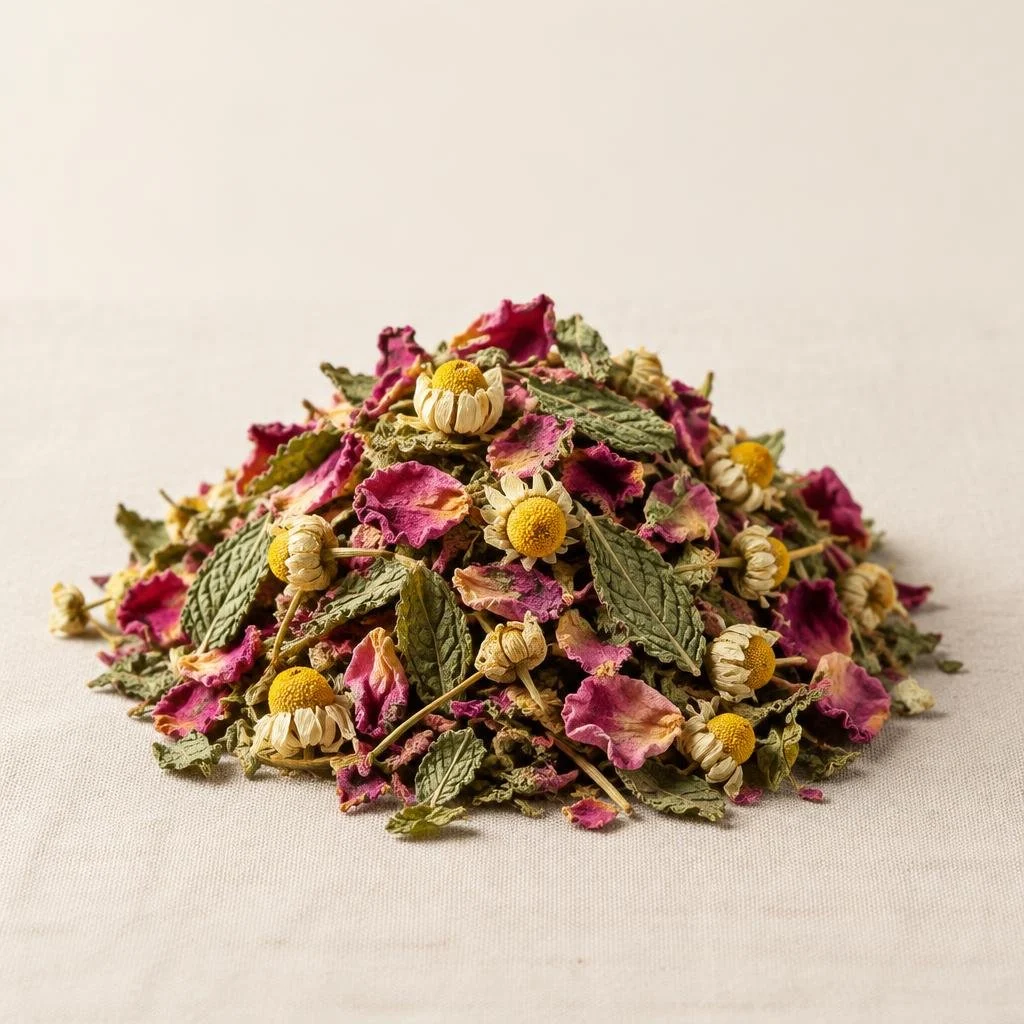
Herbal blends such as chamomile, rose and mint are usually more relaxed. They tolerate longer steeping without turning harsh, so you can leave them while you do something else. Taste as you go and stop when the flavor suits you. Because they contain no tea leaf, they rarely develop the sharp edge that over-steeped black or green tea has.
Caring for Your Tools
After brewing, empty the leaf and rinse your infuser or pot with warm water. Let it dry fully before putting it away. Clean tools mean the next tea tastes only of itself, and not of whatever you brewed before. Plain water is usually enough, since soap can leave a scent that the next batch picks up.
Used leaf need not go straight into the trash. Spent leaves can go on a compost pile if you have one. Empty a pot soon after pouring, since wet leaf left sitting turns sour and stains the inside. A small brush or spoon helps clear fine pieces from mesh, where they tend to cling and build up.
Brewing loose leaf comes down to a few habits: give the leaf room, warm the vessel, respect the water, watch the clock and keep your tools clean. None of it takes long. Once those steps feel natural, you can spend your attention on the part that matters most, which is simply tasting what is in the cup.