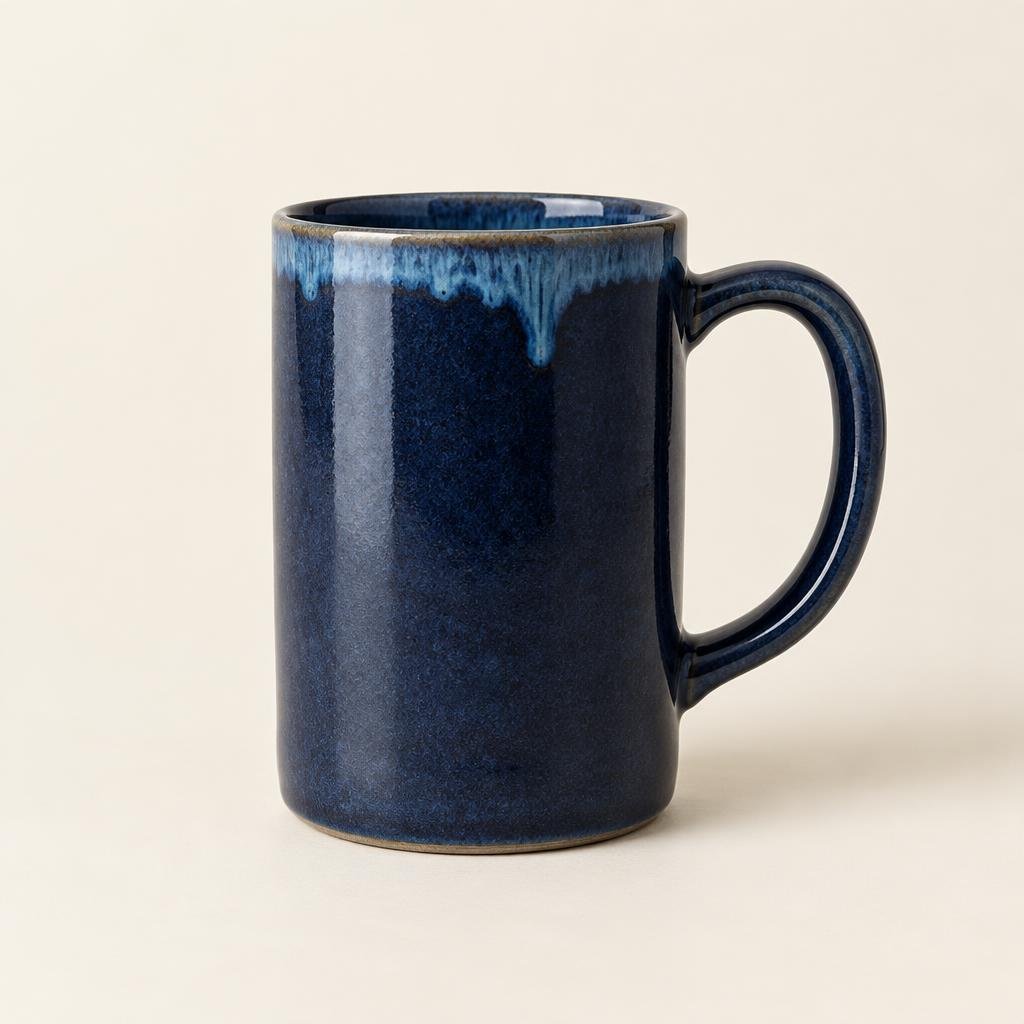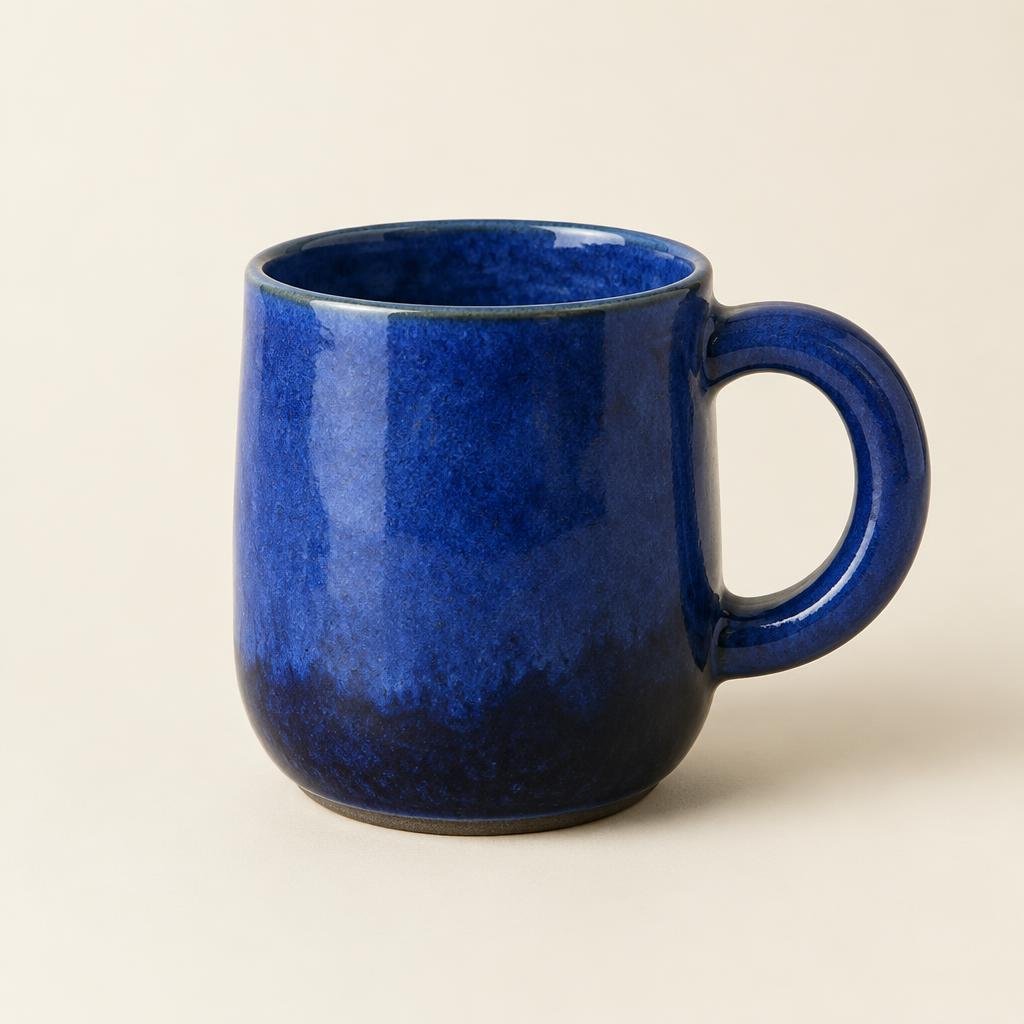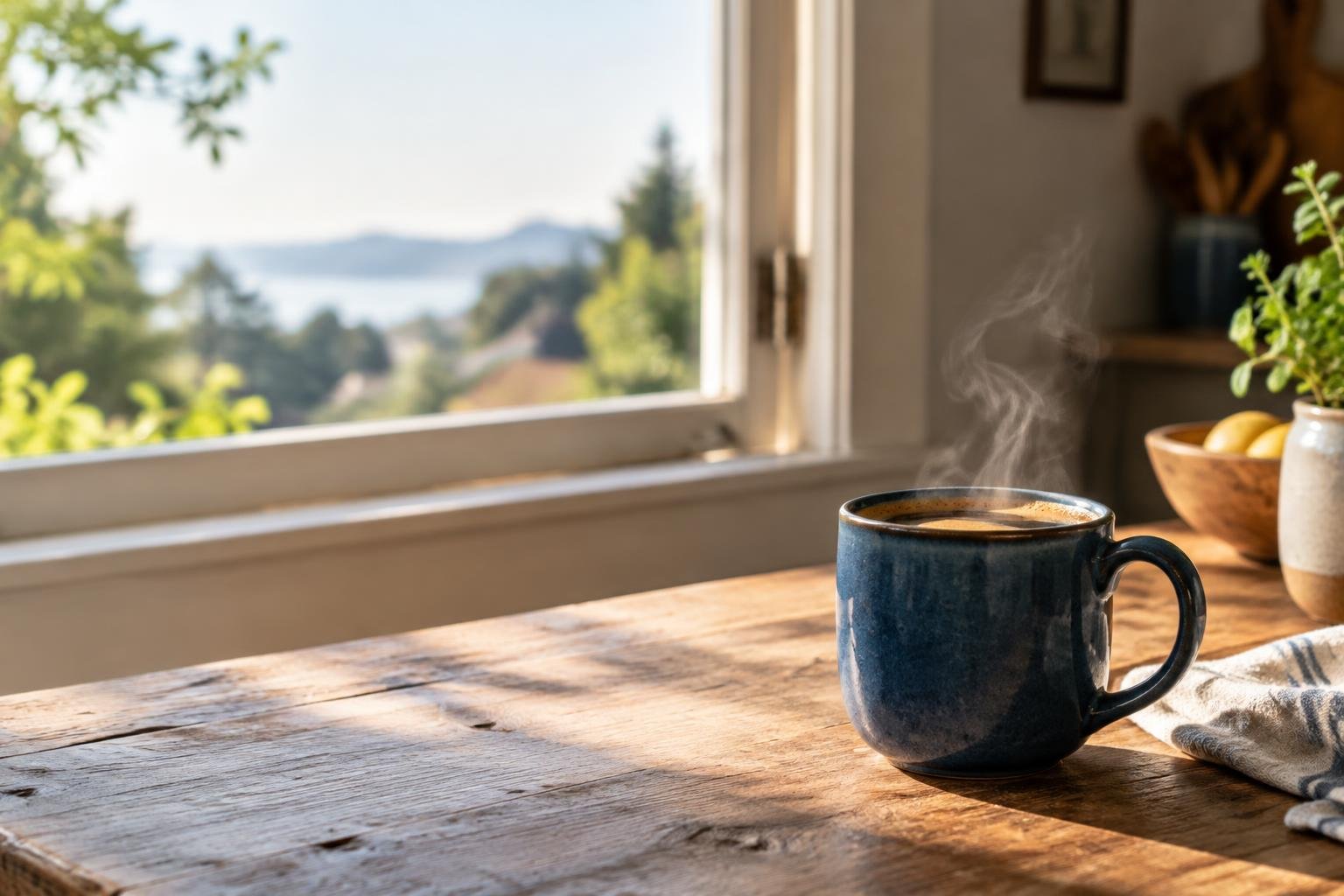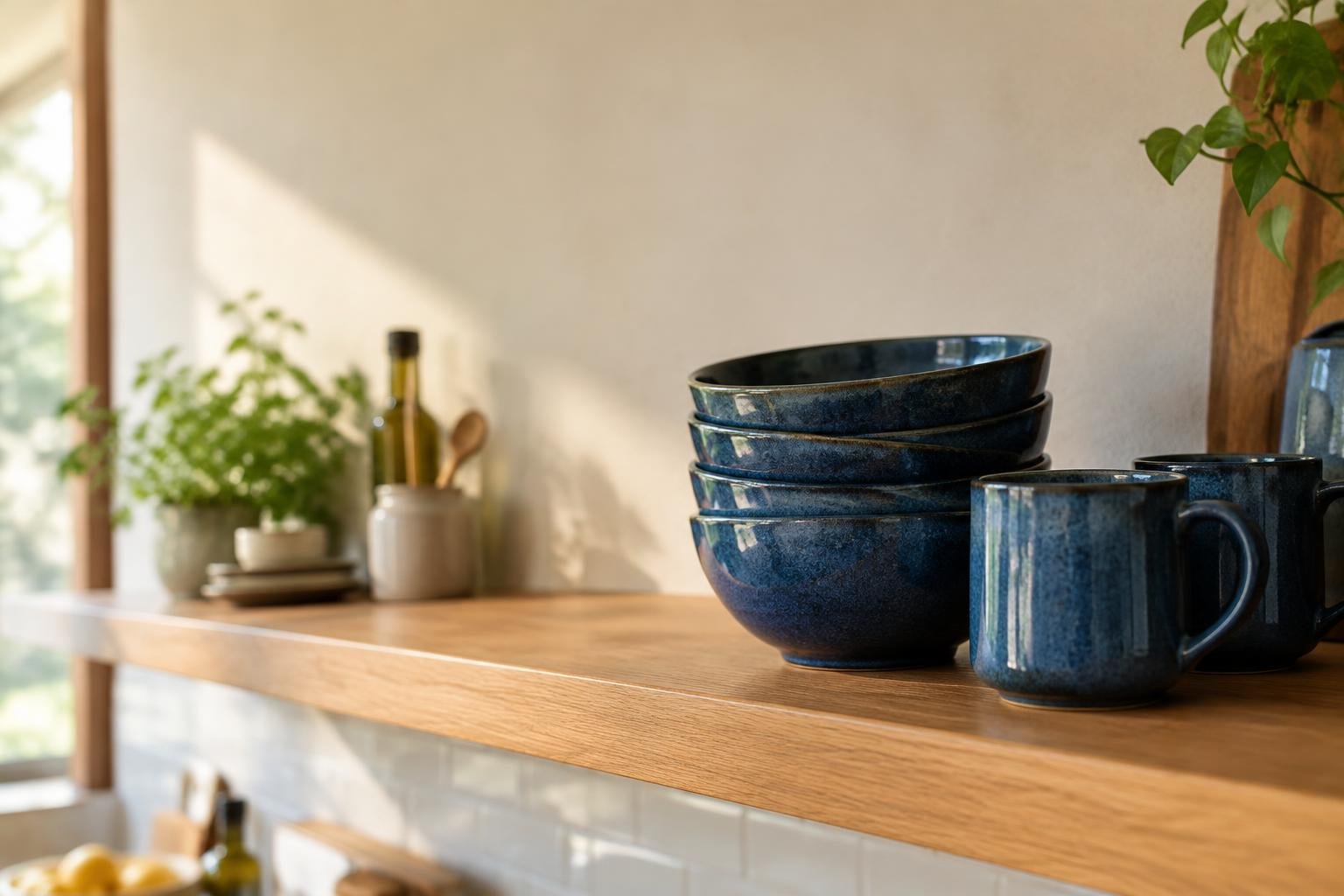
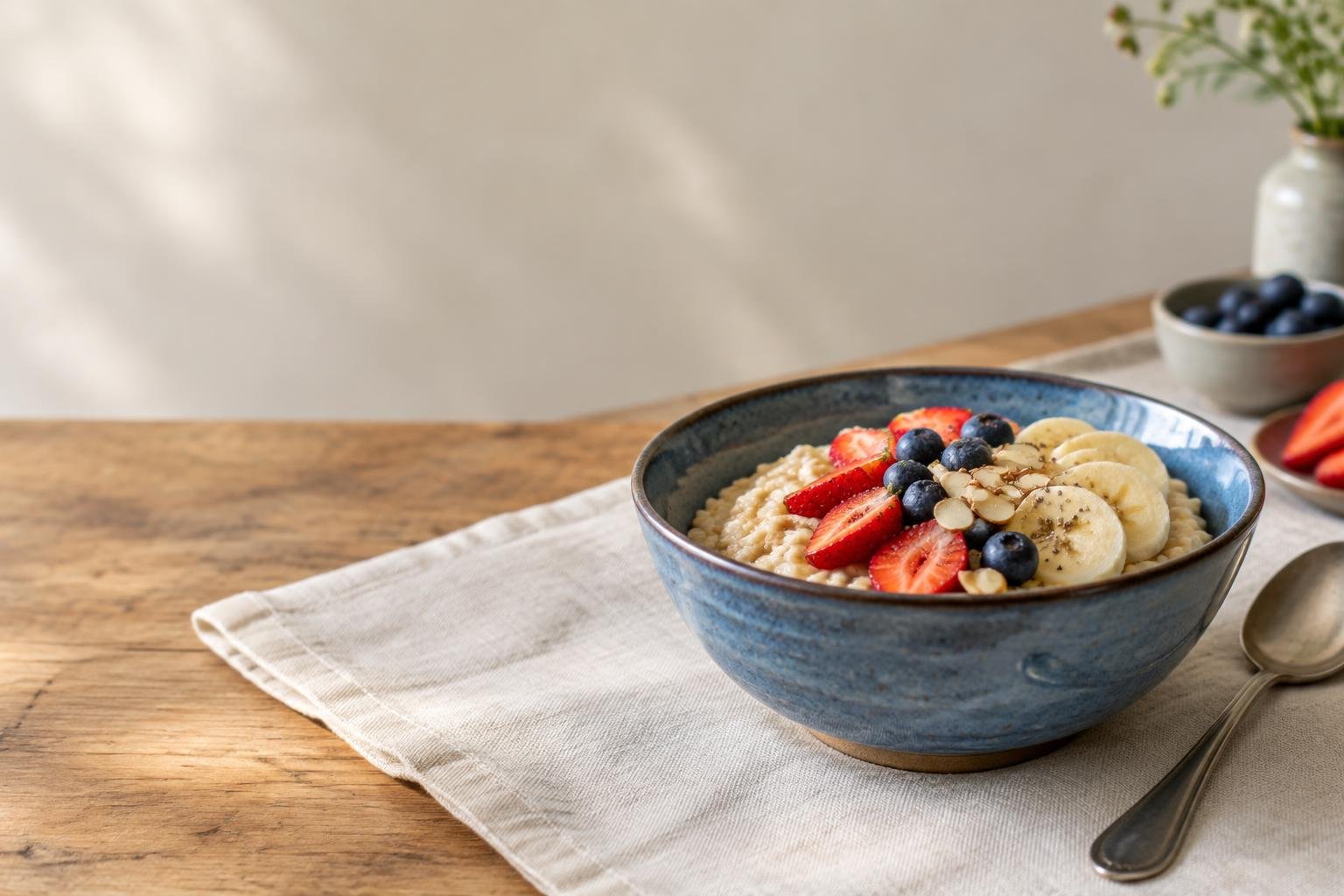
A good stoneware bowl is one of the most useful things in a kitchen. It holds breakfast, soup, pasta and salad, and it goes straight from the cupboard to the table without fuss. Because the shape is simple, it works with almost any food, and a deep blue glaze makes colorful ingredients stand out.
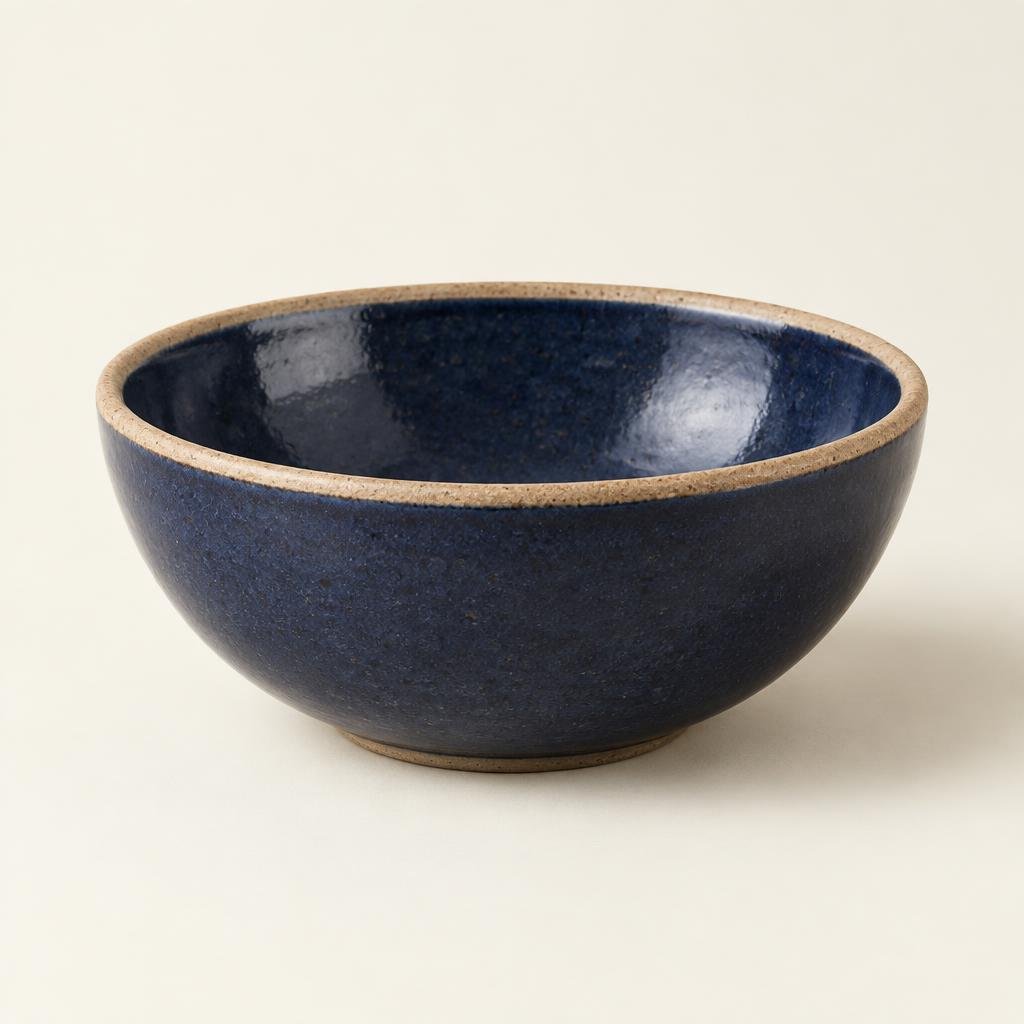
Breakfast is an easy place to begin. Oatmeal, yogurt and fruit all look good in a rounded bowl, and the thick walls feel pleasant to hold. A wide bowl gives you room to stir and add toppings without spilling over the edge. It is a small habit that makes an ordinary morning feel a little more considered.
The weight of stoneware matters here too. Clay that has been fired to a high temperature is dense and sturdy, and it holds warmth for a while. Oatmeal stays warm a little longer than it would in a thin dish, and a cold yogurt bowl stays cool. That steadiness is part of why people keep reaching for the same bowl.
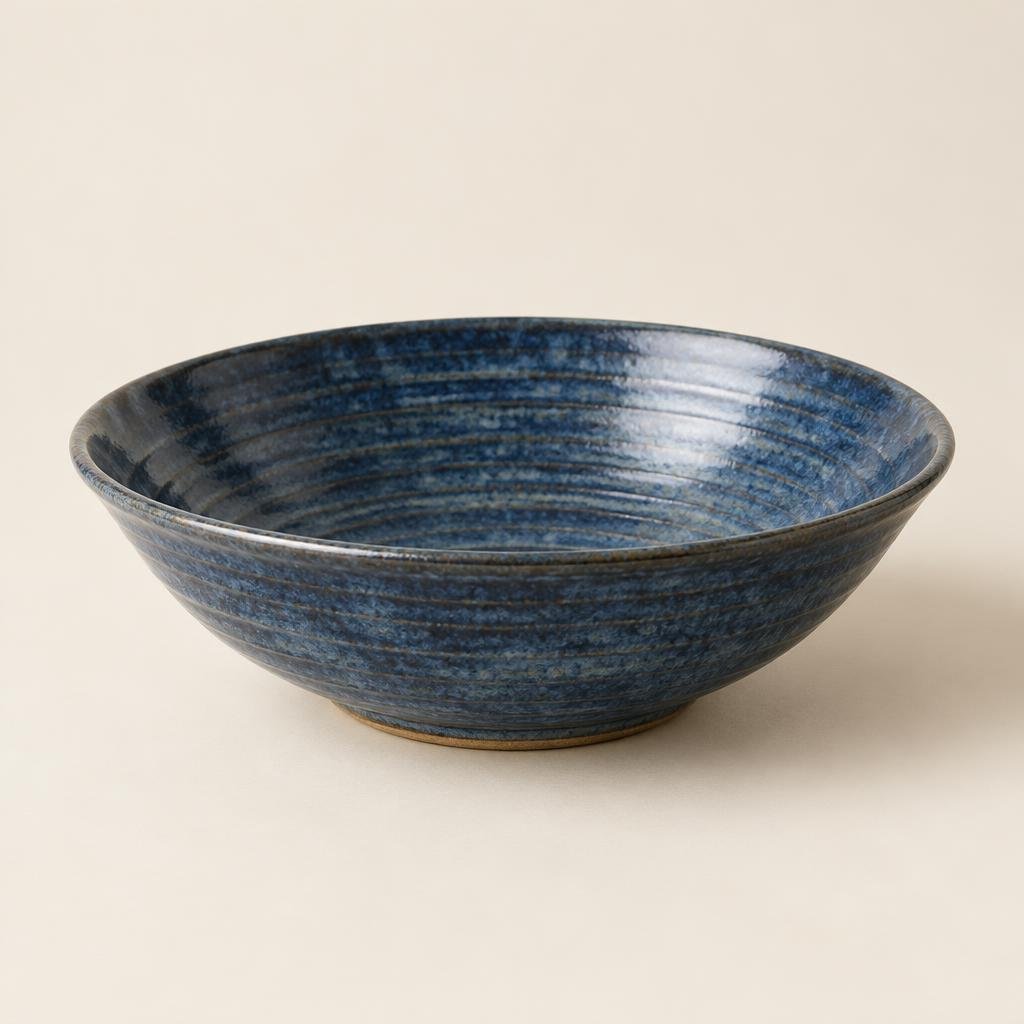
For dinner, a wider and shallower bowl suits pasta, grain dishes and stews with plenty of broth. The sloping sides make it easy to get a spoon or fork under the food. A flared rim gives your thumb somewhere to rest when you carry it to the table.
It helps to think about what you eat most often. A deeper bowl keeps broth contained and holds heat in the center, while a shallower one lets food spread out and cool faster. Neither is better in every case. Many cooks end up with one of each, and use them without thinking about it after a week or two.
Serving and Sharing
Serving bowls are a different job. A shallow, flared bowl can hold salad, roasted vegetables or fruit in the middle of the table. Visible throwing rings on a handmade piece add texture that a factory bowl lacks, and the dish becomes part of the table rather than just a container.
Size is the thing to look at when choosing a serving bowl. A large bowl lets you toss a salad properly, with room for the leaves to move around. A bowl that is too small forces you to pile food high, and then half of it ends up on the cloth. When in doubt, pick the larger one.
Color is worth a thought as well. A deep blue glaze acts like a backdrop, so bright tomatoes, green herbs and orange squash seem to glow against it. Pale foods such as rice or potatoes also look clean and sharp. You rarely need a garnish when the bowl is already doing some of that work for you.
Bowls can also work away from the dinner table. A wide one on the counter will hold fruit, and a small one by the door can catch keys or loose change. Stoneware is heavy enough to stay put, so it makes a steady catch-all. Any bowl that sits where you can see it tends to earn its space.
Looking at the Foot Ring
The unglazed foot ring is worth a mention. It is where the clay shows, and it keeps the glazed surface lifted slightly from the counter. It can feel a little rough, so lift a bowl rather than dragging it across a hard surface, which protects both the bowl and your table.
The bare clay at the base is not a flaw. A potter leaves it unglazed so the bowl does not fuse to the kiln shelf during firing. Turning a bowl over and looking at the foot is a quick way to see how it was made, and how carefully the base was trimmed and finished.
A foot ring also helps a bowl feel balanced in your hand. Your fingers can slip beneath the curve when you lift it, and a well-trimmed foot makes a full bowl feel lighter than you expect. If you set a bowl on a delicate wooden surface, a trivet or mat adds a little extra protection from the rough clay.
Stacking and Mixing
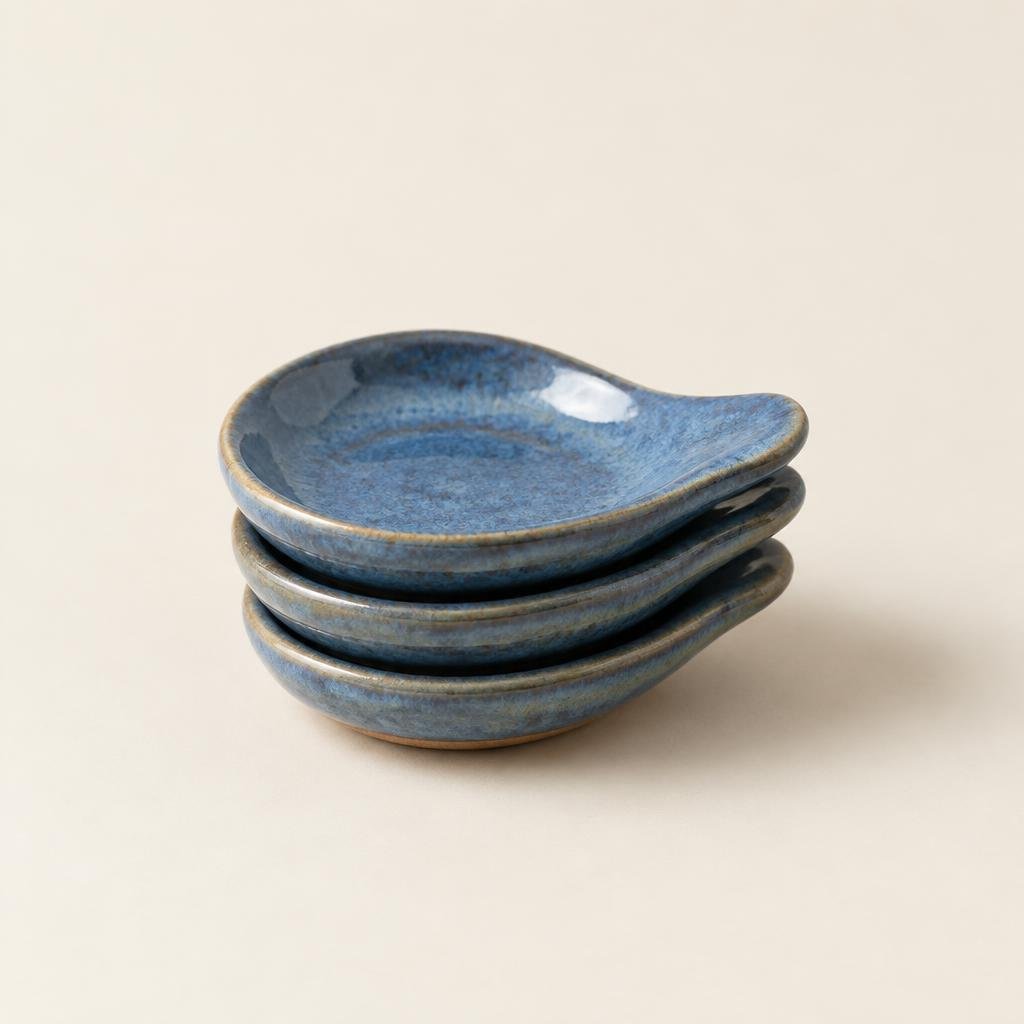
Matching sizes stack well in a cupboard, which saves space. Mixing sizes and shades of blue also works nicely, since the colors sit comfortably together. You do not need a full matching set to have a table that feels put together.
When you stack bowls, set them down gently and lift them apart rather than sliding them. Glaze is hard, but the bare foot of one bowl can mark the inside of another if it is dragged across it. A soft cloth or a paper napkin between them is a simple fix for a cupboard that gets used every day.
Handmade pieces vary slightly, and that is part of their charm. Two bowls from the same batch may differ a little in depth, glaze pooling or rim shape. Placing them side by side lets you enjoy those differences. A table of slightly varied bowls usually looks more relaxed than a perfectly uniform one.
Washing and Care
When you wash a handmade bowl, treat it as you would any piece you like. Avoid sudden changes in temperature, and dry the foot before putting it away so no moisture sits against a surface. Gentle habits are usually all that is needed.
A soft sponge and mild soap will clean most glazed surfaces well. Stuck-on food usually loosens if you let the bowl soak for a while, so there is no need to scrub hard. Abrasive pads can dull a glaze over the years, and they rarely clean any better than a sponge does.
Over time a bowl becomes part of your routine. You will find yourself reaching for the same one without thinking, and that is what handmade pottery is for.